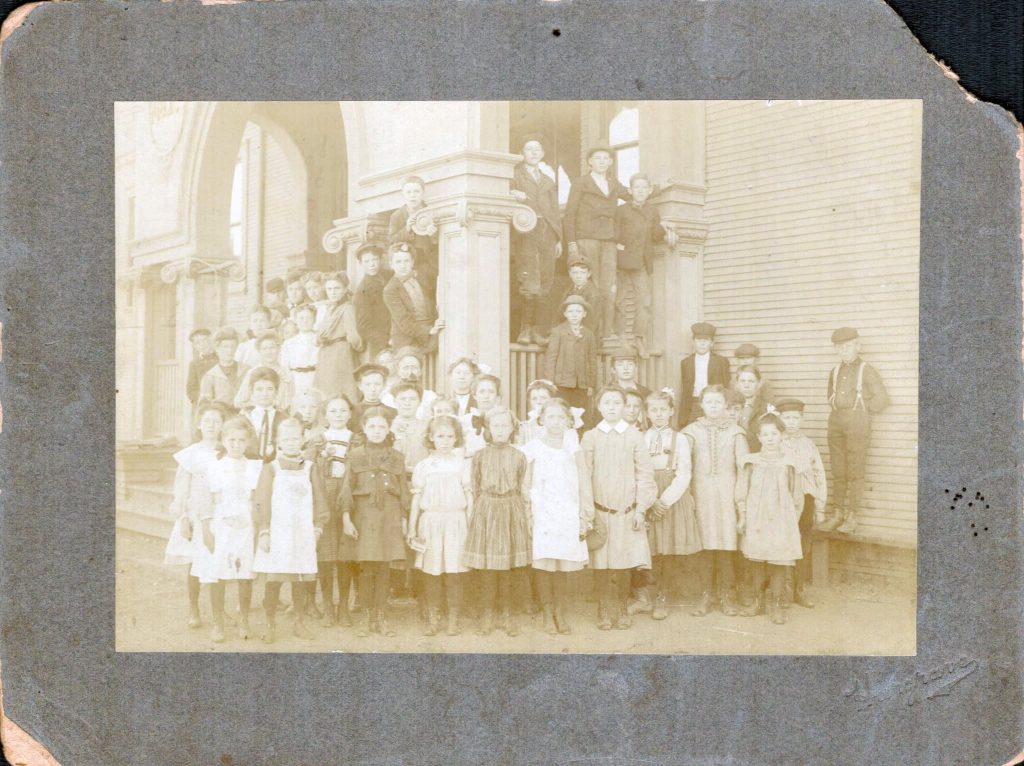
Cursive, is cursive, is cursive, right? Or maybe not!
One of the most everyday things that have changed throughout time, without us noticing, is the way in which we form our cursive alphabet. This was often called “script” in older textbooks.
If you’ve ever had a peek at old letters, you may find it difficult to decipher the messages contained within them. This isn’t a problem with your education, it’s an evolution in the way in which we form our letters.
Here’s a basic comparison of 1870s through current ways in which we form our letters. Cursive has come back in public education, contrary to popular knowledge, so it is being taught again.
19th Century

This page is taken from the 1879 McGuffey First Reader. This was the basic script students were supposed to master, and all copywork was to be done in this script print.
20th Century
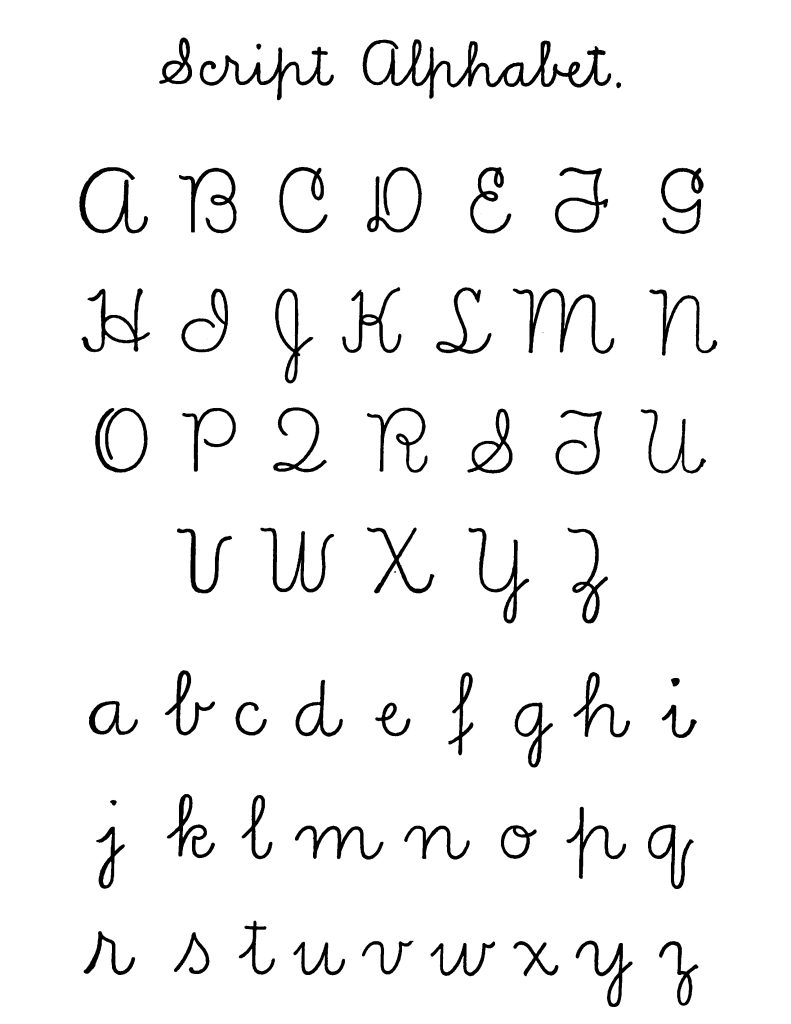
This page is taken from the 1920 McGuffey First Reader. This was used for all the copywork. Notice that the letters are much more vertical, with less flourishes.
21st Century
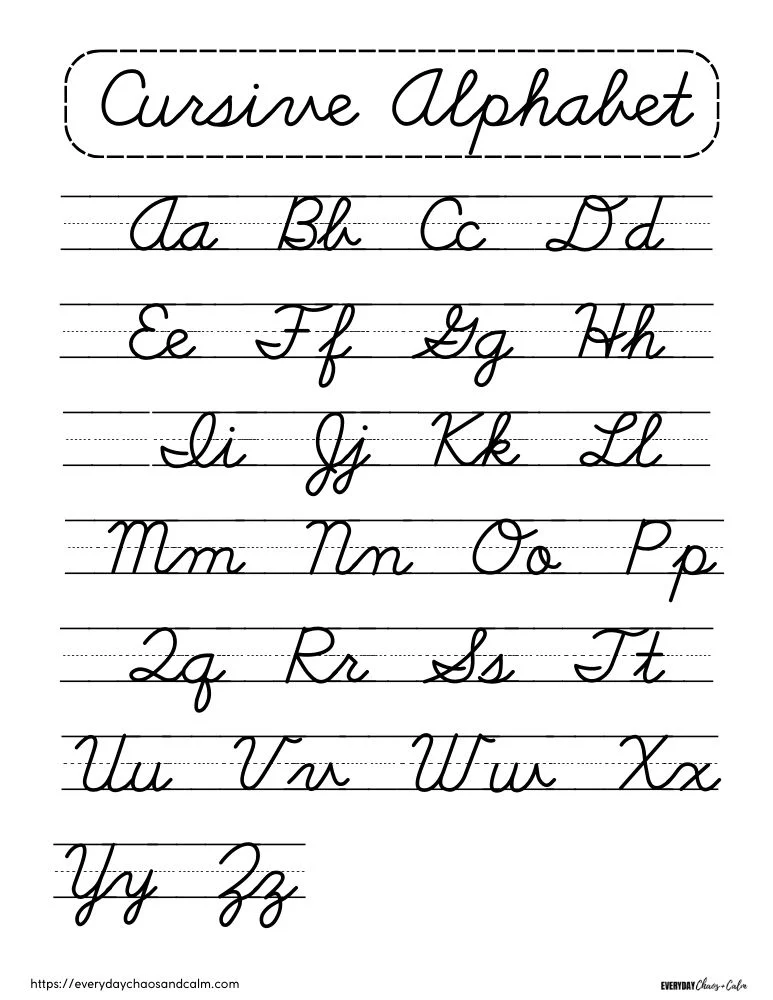
This is the modern, 21st century ideal, or an example of one of the ways in which students are taught to learn “cursive”. This is a free image from another blog, Everyday Chaos and Calm. More worksheets are available there, for free.
Which one is correct? Well, technically, they all are! Feel free to print the first two off for your child to practice tracing. If you’re using the older McGuffey readers, it may be fun to try to match the cursive style, both for you and your child. After all, our penmanship is known to be getting worse, the more we rely on type and technology for our communication.

Leave a Reply